
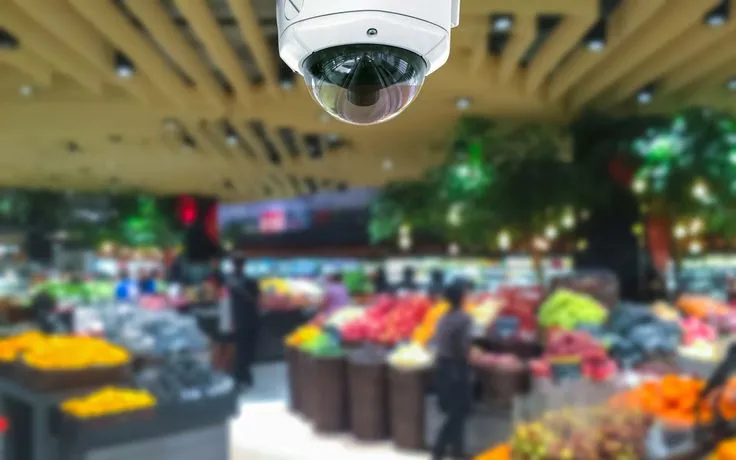
For independent retailers, the hours after closing can bring a different set of security concerns from those experienced during the trading day. Staff have gone home, deliveries may be waiting for the morning, and expensive stock remains inside. A well-considered security arrangement should reflect these conditions without making opening and closing unnecessarily complicated. Owners can begin by identifying access points, valuable stock and who must respond when something unusual happens.
Start With the Closing Routine
A shop’s final fifteen minutes reveal where practical weaknesses may develop. One employee may lock the rear delivery door while another secures the main entrance. Shutters, stockroom doors and external storage areas might each need attention. Documenting this sequence can show which entry points deserve monitoring and whether responsibilities are clear.
Consider what happens when the last person leaves. Can an alarm be armed without returning through a protected area? Is there an agreed procedure if a colleague forgets something? Good security arrangements should work with the routine rather than depend on staff remembering complicated exceptions.
Match Alarm Detection to the Building
The layout of a high-street shop differs from that of a retail unit inside a shopping centre. A street-facing business may have a front display window, an external back door and a shared service alley. A unit in a managed complex may rely on common entrances and building-wide arrangements.
Before arranging Security alarm installation, owners should discuss entry points, internal movement routes and how the property is occupied outside trading hours. Door contacts and motion detectors perform different jobs, and their placement affects how useful the system will be. Any proposal should also consider whether staff need separate access permissions.
Decide Who Receives an Alert
A notification is useful only when someone understands what it means and knows what to do. Retailers should agree who receives alerts, who can check the premises safely and when to contact emergency services. Employees should not be expected to confront intruders or investigate dangerous situations themselves.
False alarms deserve attention too. Poorly positioned detectors, unclear opening procedures or equipment faults can produce repeated notifications. Reviewing the causes may be more effective than simply silencing alerts. Staff training should explain how to arm, disarm and report problems without sharing individual access codes.
A Practical Security Checklist for Retailers
A simple review can keep planning centred on everyday needs rather than marketing features:
-
Check that rear doors, windows and stockroom entrances are accounted for.
-
Confirm who is authorised to set and unset the alarm.
-
Review external lighting around delivery and waste areas.
-
Test whether essential alerts reach the intended people.
-
Check that camera views include relevant access points.
-
Agree how incidents and equipment faults will be logged.
-
Review arrangements whenever opening hours or staffing change.
The checklist does not replace a site assessment. Larger or higher-risk premises may need additional measures based on their layout and operating circumstances.
Keep Cameras and Recordings in the Plan
An alarm may indicate that a protected area has been accessed, while CCTV can help establish what was visible at the time. These functions complement one another, but they should not be assumed to work automatically as a single system. Compatibility, notification settings and recording arrangements need to be confirmed.
If a camera begins dropping offline or recorded footage cannot be played back, CCTV system repair may be needed even when the alarm continues operating normally. Keeping an incident log that notes dates, affected cameras and error messages can make technical diagnosis more straightforward. Access to recordings should remain restricted to authorised users.
Plan for Staff Turnover and Shop Changes
Retail spaces evolve. A new display may block an existing camera, an added storeroom may introduce another entrance, or a change in management may leave old access permissions active. Security reviews should accompany these changes rather than happen only after a problem.
When employees leave, remove access that is no longer required and update relevant procedures. New staff should receive a clear demonstration of the system and know whom to contact about faults. The most effective arrangement is one that remains understandable during a busy shift and dependable after everyone has gone home.
Conclusion
The security of a retail shop after closing depends heavily on what happens during the final minutes of the working day. Clear locking procedures, authorised access and dependable detection can reduce confusion when employees leave the premises. CCTV and alarms should support these routines rather than complicate them. Retailers considering technical security services can explore the options presented by techtwins.co.uk. A reliable closing process gives business owners greater confidence that their premises have been secured appropriately until trading resumes.