
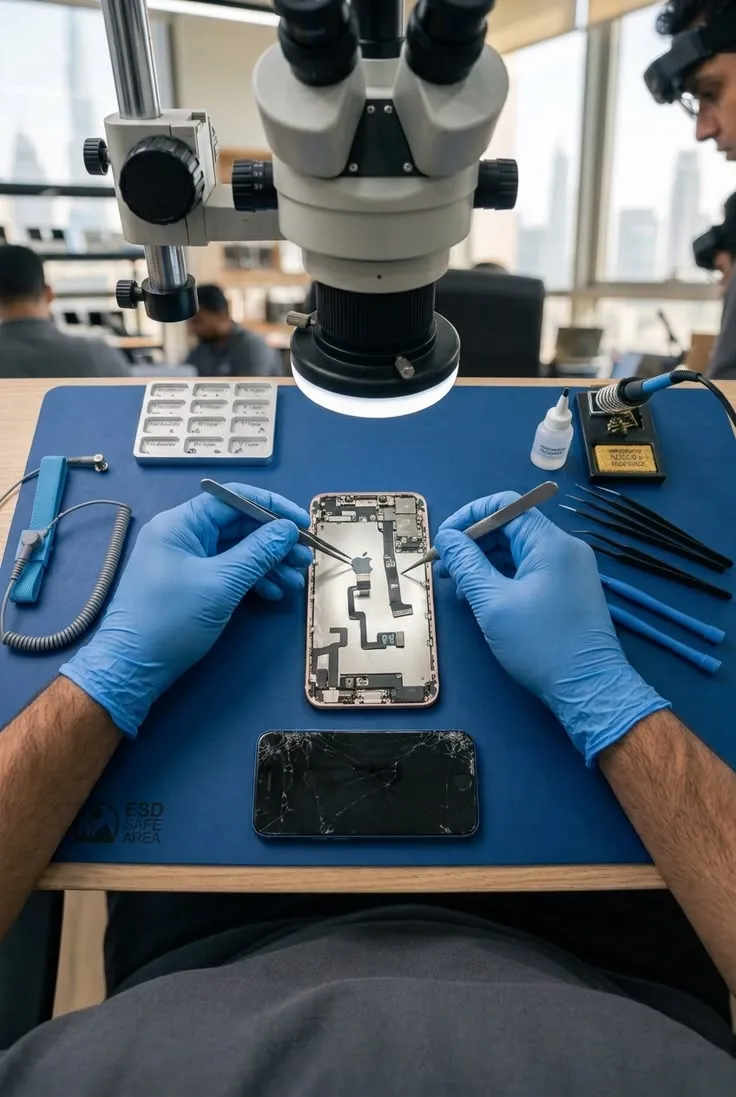
A damaged cell phone can create an unexpected expense, especially when the device is essential for work, school, or everyday communication. Many people immediately consider purchasing a replacement because they assume repairing an older phone is not worthwhile. However, replacing a device is not always the most practical solution. Depending on the damage, professional Cell phone repair Humble services may restore functionality without requiring a completely new phone. Comparing repair costs, device performance, age, and personal requirements can help owners make sensible decisions before spending money.
Consider the Actual Extent of Damage
Not every smartphone problem affects the entire device. A cracked screen, damaged charging port, or failing battery may involve only one component. When the remaining hardware functions properly, replacing that part can be a reasonable solution.
More complicated problems require additional consideration. Extensive liquid damage, structural distortion, or multiple failing components may increase repair costs. A professional diagnosis helps distinguish an isolated fault from a problem affecting several parts of the phone.
Compare Costs Beyond the Repair Quote
The immediate repair price is only one part of the decision. Owners should also consider the cost of purchasing a comparable replacement phone, transferring data, replacing accessories, and adjusting to a different device.
For example, someone with a relatively recent smartphone may find screen replacement more economical than buying an entirely new model. However, repairing several major components on an outdated phone may offer limited long-term value. A practical comparison should focus on total costs and expected usability.
Device Age Influences the Decision
Smartphones gradually become less suitable for everyday use as hardware and software requirements change. Older devices may experience reduced battery capacity, limited storage, or declining application compatibility.
Security updates are another important consideration. A phone that no longer receives manufacturer security support may not be suitable for certain sensitive activities, even after hardware repairs. Before investing in an expensive repair, check whether the device continues receiving appropriate software support.
Battery Replacement Can Extend Usability
A weakening battery does not necessarily mean that the phone has reached the end of its useful life. Rechargeable batteries naturally lose capacity over repeated charging cycles.
Common warning signs include unexpected shutdowns, shorter operating time, and frequent charging requirements. When a device otherwise performs adequately, battery replacement may provide meaningful improvement. However, excessive heat or physical swelling requires professional attention rather than continued charging attempts.
Questions to Ask Before Approving Repairs
A clear conversation with the technician helps prevent confusion about the service being purchased. Owners should understand what will be repaired, which replacement parts are recommended, and how the completed work will be tested.
Useful questions include:
- What is the likely cause of the problem?
- Is the damage limited to one component?
- Does the estimate include parts and labor?
- Are compatible replacement parts available?
- What warranty applies to the repair?
- How long will the repair process take?
Written estimates and clearly explained terms help customers make decisions based on reliable information rather than assumptions.
Environmental Considerations Also Matter
Manufacturing smartphones requires materials, energy, and complex supply chains. Extending the useful life of an existing device can reduce the need for immediate replacement and help limit unnecessary electronic waste.
However, repairing every device is not automatically the most sustainable option. Severe damage, unsupported software, or repeated hardware failures may affect the overall value of continued use. Owners who replace their phones should consider responsible recycling or trade-in programs.
Choosing a Reliable Local Repair Provider
Local repair businesses can provide convenient access to diagnostics and direct communication with technicians. Before selecting a shop, customers should examine its service descriptions, repair policies, replacement-part options, and warranty conditions.
A reliable technician should explain the problem before beginning work and provide a clear estimate. Customers should also confirm whether the repair requires access to personal information and whether their data should be backed up beforehand. Transparent communication makes the process easier to understand.
Conclusion
The decision to repair or replace a cell phone should depend on more than the inconvenience of a damaged screen or weak battery. Device age, repair costs, software support, and expected future use all deserve consideration. A professional assessment can determine whether a component replacement could restore useful functionality. Phone Repair Nerds offers local repair services in Humble, Texas, for customers exploring alternatives to purchasing another device. Comparing the practical benefits of each option can help owners make a more informed financial decision.