
Voice-controlled technology can make everyday activities simpler, but a successful smart home must accommodate people with different abilities, habits, and technical experience. Children may struggle with complicated instructions, older adults may prefer familiar routines, and visitors might not know which devices are connected. The challenge is creating an environment where everyone can operate essential features confidently. Thoughtful voice automation focuses on accessibility, clear commands, privacy, and reliable alternatives rather than making technology the center of attention.
Understand the Needs of Different Household Members
Every household includes people who interact with technology differently. Some enjoy experimenting with advanced settings, while others prefer straightforward controls that perform familiar tasks. Children generally benefit from simple instructions, such as turning on lights or adjusting approved entertainment devices. Older adults may appreciate easier access to lighting without searching for wall switches in unfamiliar spaces.
Guests have different expectations. They should be able to operate basic room functions without learning an entire automation platform. Identifying these needs before installation helps establish which devices require voice control and which should retain conventional switches or remotes.
Choose Voice Technology That Fits the Property
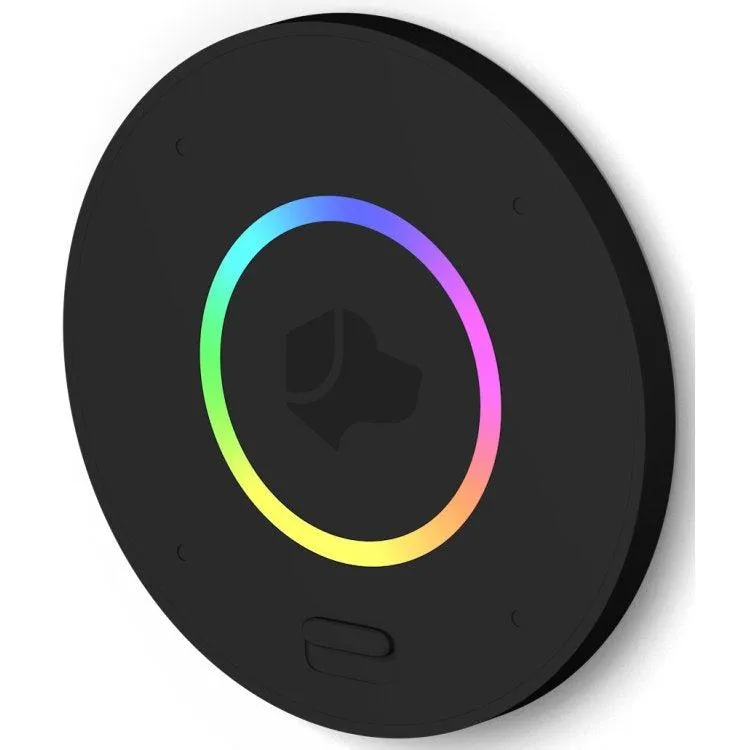
Voice assistants vary in their compatibility, installation requirements, and supported smart home functions. Professional systems often provide more extensive customization than basic consumer devices. For example, Josh Nano is a compact architectural microphone designed for integration with the Josh.ai smart home platform. It supports room-aware voice control when installed as part of a compatible system.
Unlike a standalone smart speaker, Josh Nano requires supporting components, including Josh Core, appropriate network infrastructure, and a software license. Understanding these dependencies helps homeowners plan a complete installation rather than purchasing individual components without considering their requirements.
Create Commands That People Can Remember
Voice control becomes frustrating when users must memorize lengthy instructions or unfamiliar terminology. Everyday language should guide the configuration of commonly used functions. Instead of creating complicated sequences, homeowners can establish recognizable activities such as movie time, bedtime, or evening relaxation.
Useful arrangements may include:
-
Turning on appropriate hallway lights after sunset.
-
Adjusting compatible shades during afternoon sunlight.
-
Activating selected entertainment equipment for movie nights.
-
Controlling designated lights in a child’s bedroom.
-
Restoring comfortable lighting when guests arrive.
Each activity should be tested with the people who will use it regularly. Clear names and predictable results make automation more approachable.
Keep Physical Controls Available Throughout the Home
Voice commands are convenient, but they should not become the only way to operate important household functions. Traditional wall switches remain valuable when someone is sleeping, speaking quietly, or experiencing temporary network problems. Accessible controls are particularly important for visitors who may be uncomfortable using voice technology.
Touchscreens, compatible keypads, and mobile applications can provide alternative methods of interaction. Consider placing physical controls near entrances, bedsides, and frequently used seating areas. Their locations should feel natural rather than requiring people to search for them.
A balanced system supports different preferences without forcing everyone to interact with technology identically.
Address Privacy Before Installing Microphones
Microphone placement deserves careful consideration, especially in bedrooms, private offices, and shared family spaces. Homeowners should understand when a voice assistant is listening and how its privacy features operate. Josh Nano includes a physical privacy switch that disconnects its microphones. The Josh.ai platform also offers microphone muting and visual indicators associated with listening status.
These features can provide additional control, but families should still review the manufacturer’s privacy policies and system settings. Children and guests should know where microphones are installed and how to disable them when appropriate. Clear communication helps establish comfortable boundaries around connected technology.
Evaluate Installation Requirements and Ownership Costs
Professional smart home automation involves more than buying microphones or control devices. Installation complexity depends on the number of rooms, connected products, wiring arrangements, and desired functionality. When researching Josh AI price, homeowners should consider the complete system rather than focusing exclusively on individual hardware prices.
Potential expenses include processing equipment, compatible interfaces, professional programming, network improvements, and applicable software licensing. A detailed proposal should explain which functions are included and identify any ongoing costs or optional upgrades. Comparing complete installations provides a more meaningful understanding of value than examining equipment prices without context.
Test Real-Life Situations Before Finalizing the Setup
A smart home may perform perfectly during installation demonstrations but reveal difficulties during ordinary household activities. Testing should involve several users rather than relying entirely on the preferences of one person. Ask family members to adjust lighting, activate entertainment scenes, and operate devices without assistance.
Evaluate whether microphones respond reliably from typical positions and whether physical controls remain convenient. Visitors can also provide useful feedback about unfamiliar interfaces. Their experiences may reveal instructions or control arrangements that seem obvious to residents but confuse newcomers. Small adjustments during testing can significantly improve long-term usability.
Conclusion
Accessibility provides a more meaningful measure of smart home success than the number of available voice commands. A system should remain understandable to children, comfortable for older residents, and approachable for occasional visitors. Privacy controls and physical alternatives are equally important because household members should never depend exclusively on spoken instructions. Professional integration providers such as Epic Systems can help homeowners evaluate suitable technologies, but effective automation begins with understanding the people who will use it. The best-connected environments accommodate different abilities without drawing unnecessary attention to the technology itself.