
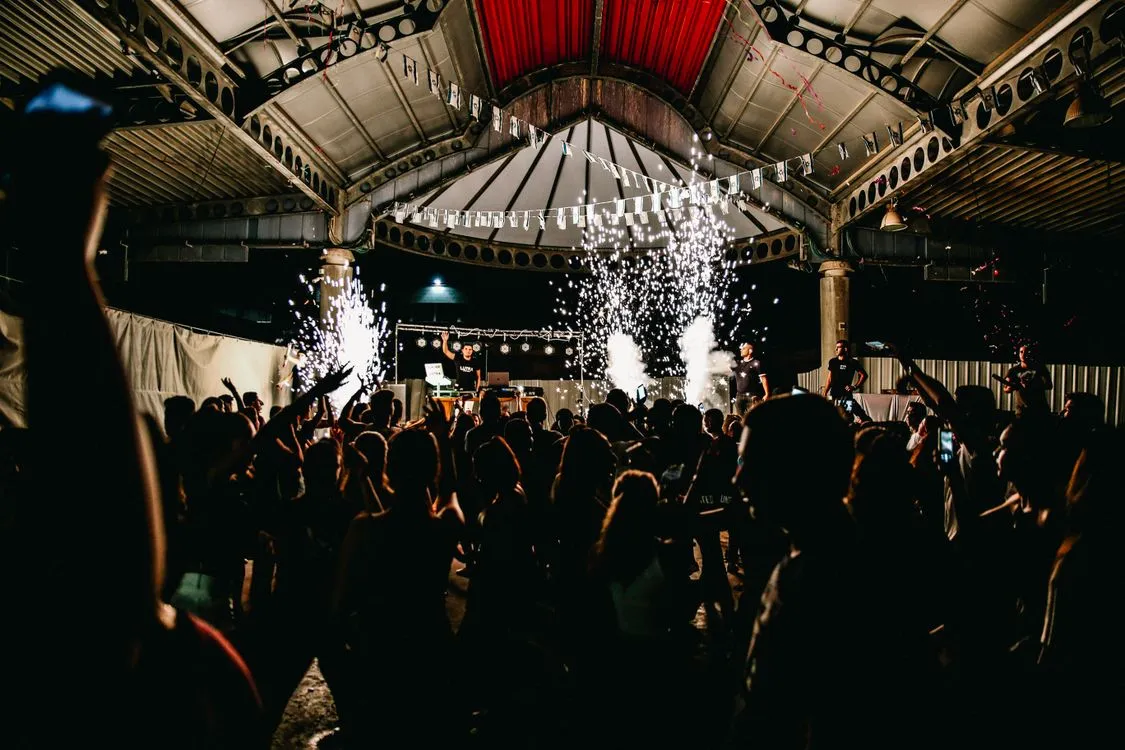
Big music events still have their place, but many people in 2026 are looking for something smaller, calmer, and more personal. They want great music without feeling lost in a massive crowd.
That is why boutique music festivals are growing. These events focus on careful curation, stronger atmosphere, better comfort, and a clearer sense of identity.
Smaller Crowds Feel More Manageable
One of the biggest reasons boutique events are gaining attention is scale. A smaller crowd can change the whole experience. You spend less time queuing, less time walking across huge fields, and less time trying to find your friends.
This matters for people who love live music but do not want the stress that can come with major events. A smaller site often feels easier to understand. You can learn the layout quickly, move between stages faster, and enjoy the day without constantly checking a map.
Smaller crowds also help people feel more present. Instead of rushing from one headline act to another, attendees can slow down and enjoy the full setting.
Curated Lineups Attract Serious Fans
Boutique festivals usually do not try to please everyone. That is part of their appeal. Many focus on a specific sound, scene, genre, or mood.
Some may center on folk, jazz, electronic music, indie bands, experimental artists, local talent, or heritage acts. Others mix music with food, art, wellness, or outdoor travel. This focused approach attracts people who know what they like and want an event built around that taste.
A curated lineup also gives smaller artists more room to stand out. At huge events, lesser-known performers can get buried under big names. At boutique events, discovery often becomes part of the reason people attend.
For music lovers, that can feel more rewarding than chasing the biggest names on a poster.
Community Matters More Than Hype
Many attendees are drawn to boutique events because they feel more social. The atmosphere can be friendlier, especially when people are there for similar reasons.
At large events, it is easy to feel like one person in a crowd of thousands. At smaller gatherings, you might see the same faces across the weekend. You may talk to people at food stalls, workshops, camp areas, or small stages.
This creates a stronger sense of community. The event feels less like a one-off spectacle and more like a shared weekend. For returning guests, that sense of familiarity can become a major reason to come back each year.
Community also helps smaller events build loyalty. People are more likely to support an event when they feel connected to its values, location, and crowd.
Better Design and Comfort
Boutique events often place more attention on design. The site layout, lighting, food areas, seating, decor, camping, and stage setup are all part of the experience.
This does not always mean luxury. It means the event feels considered. There may be shaded areas, smaller stages, art installations, local food vendors, quiet corners, and better access to basic facilities.
Comfort is a major reason people choose smaller events. Many attendees still want the fun of a festival, but they do not want to spend the weekend feeling drained. They want cleaner toilets, shorter lines, easier camping, better food, and enough space to rest.
In 2026, guests expect more from live events. Boutique organizers often respond faster because they can focus on fewer people and a more specific audience.
Unique Settings Make the Experience Stand Out
Location is another reason boutique music events are growing. Instead of using only large fields or standard venues, many take place in forests, beaches, farms, historic estates, small towns, gardens, and scenic rural sites.
The setting becomes part of the memory. A small stage under trees, a sunset DJ set near the coast, or an acoustic performance in a courtyard can feel more special than a standard arena-style setup.
This is one reason destination-style boutique events are popular. People want a weekend that feels like travel, entertainment, and escape in one trip.
A More Flexible Kind of Entertainment
Boutique events are not only about watching bands. Many include talks, wellness sessions, comedy, craft markets, film screenings, food tastings, yoga, outdoor activities, and art spaces.
This wider format suits people who want more variety. Some guests may spend all day near the stages. Others may split their time between music, food, rest, and workshops.
This flexibility is part of the appeal. Boutique festivals can feel less pressured than major events. You do not need to chase a packed schedule to feel like you got your money’s worth.
Why They Fit 2026 Audiences
People are more intentional with how they spend their money and time. Many want experiences that feel personal, well run, and worth the effort of travel.
Boutique music festivals meet that demand because they offer focus. They are not trying to be the biggest event of the year. They are trying to be the right event for a specific crowd.
That is why they are likely to keep growing in 2026. They give attendees music, comfort, community, and identity in one place. For people who want something more thoughtful than a massive weekend crowd, boutique events are becoming the better choice.