
Every winter, the same complaints return: sparks from door handles, clingy clothing, and tiny shocks from keyboards. In workplaces handling sensitive parts, these annoyances hint at a bigger issue. A well-chosen anti static spray can calm surfaces quickly, but it works best as one part of a seasonal plan rather than a rescue. Here is how to prepare.
Why Cold Weather Makes Everything Spark
Cold air holds less moisture, and indoor heating dries it further. Humidity often falls below thirty per cent in winter offices. Moisture on surfaces normally helps charge leak away harmlessly, so when it disappears, charge lingers. That is why shocks appear on the first frosty morning each year. Warm rooms feel comfortable but behave like deserts. Measuring it takes a cheap hygrometer.
Clothing plays its part too. Wool jumpers, fleece jackets and synthetic linings rub against each other all day and build charge steadily. Dry skin makes things worse, as does wearing rubber-soled boots straight from outdoors. The result is a person who carries a high voltage before even reaching the workbench. Layers hide a surprising amount of friction.
Fixing the Surface Under Your Feet
Sprays help with carpets and upholstery, but a floor that handles charge by design is the lasting answer. A permanent surface keeps working all winter, whereas a treatment fades and needs repeating. Think of the spray as first aid and the floor as long-term care. Both have a place, but they are not equals. Be honest about which job you need done.
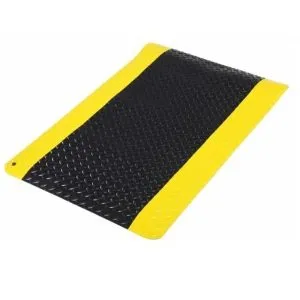
If your team spends the day on foot, anti static flooring deals with the root problem by giving charge a steady path to earth with every step. Pair it with suitable footwear, and the difference is obvious. Shocks fade, parts stay safer, and nobody dreads touching the door handle. Staff morale improves along with the figures.
Using a Spray Sensibly
Always read the label first. Test a small hidden area before treating anything large, especially fabrics and finished plastics. Apply a light mist from the recommended distance and let it dry. Over-spraying leaves a sticky residue that attracts dust and, over time, makes cleaning harder than the original problem. Less is genuinely more here. Ventilate the room while you work.
Know the limits as well. A spray does not ground a person or a bench, and it does not replace wrist straps or protective packaging. Keep it away from sensitive assemblies unless the label clearly allows it. Use it where it shines: carpets, plastic covers, curtains and the edges of work areas. Honest expectations prevent disappointment.
Simple Habits That Cost Nothing
Raise humidity where you can. A modest humidifier or a few bowls of water near radiators can lift readings noticeably. Aim for comfortable moderate levels, not damp air that encourages condensation and mould. A cheap hygrometer on the wall tells you whether your efforts are working. Check it each morning like the weather. Adjust before problems build.
Small personal habits help too. Moisturise hands, choose cotton over synthetics where practical and touch a grounded metal object before handling sensitive items. Encourage staff to take off heavy outer layers away from the bench. None of this costs much, yet together these steps shave off the worst peaks in voltage. Habits are cheaper than repairs.
Knowing When to Upgrade
Track the warning signs. Rising failure rates after cold snaps, frequent shocks to staff or visible dust clinging to screens all point to a deeper control problem. If you keep reaching for the spray every week, the underlying setup probably needs attention rather than another can. Patterns are information; treat them seriously. Write incidents down.
Plan upgrades before the season arrives. Autumn is the ideal time to review benches, floors and storage, because the work can be done without pressure. Ask colleagues what annoyed them last winter, then solve those problems first. A calm October beats a frantic January every time. Budget requests also land better with evidence. Keep a short list ready.
Conclusion
Winter static is predictable, which means it is manageable. Use a spray for quick relief, keep humidity sensible, look after personal habits and invest in lasting solutions where staff spend their days. Preparation turns a seasonal nuisance into a minor footnote. A little planning goes a long way.
For equipment that handles static all year round, visit elcomltd.com and explore the range. Whatever the weather outside, your benches and floors can stay calm and dependable.