
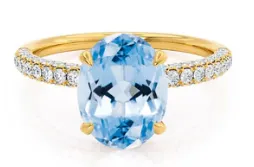
A beautiful aquamarine ring is not defined by colour alone. The most memorable designs balance the character of the gemstone with the finer details that surround it: the cut, setting, metal choice, and proportions that determine how the finished piece feels on the hand. A pale blue stone can appear serene and understated or striking and luxurious depending on the craftsmanship behind the design. Exploring the artistry behind aquamaring rings by Lily Arkwright reveals how thoughtful choices transform a gemstone into a distinctive piece of jewellery.
The Importance of Aquamarine Cut and Stone Proportions
The cut of a lab-grown aquamarine plays a major role in shaping its overall appearance. Unlike diamonds, which are often chosen primarily for maximum brilliance, aquamarines are admired for their clarity, calming colour, and elegant transparency. A well-executed cut allows light to move through the stone, enhancing its ocean-inspired tones without overpowering its natural character.
Stone size also influences the personality of a ring. A 2-carat aquamarine may appeal to someone seeking a more dramatic centrepiece, offering greater presence and a deeper expression of colour. A 1-carat stone, however, can feel more refined and effortless, particularly for those who prefer a subtle everyday style. The ideal choice depends not simply on size, but on how the wearer wants the ring to complement their personal aesthetic.
How Settings Shape the Character of the Ring
The setting is one of the most influential design details because it frames the aquamarine and affects how the gemstone is perceived. A classic solitaire setting places complete focus on the centre stone, creating a clean and timeless appearance. This style works particularly well for aquamarines because it allows the gemstone’s soft blue hue to remain the main feature.
More detailed settings can create a different mood. Halo designs introduce additional sparkle and visual contrast, making the aquamarine appear larger while adding a more glamorous feel. Side stones can also enhance the design by creating balance and drawing attention to the central gemstone without competing with it.
The height of the setting matters too. A raised setting allows more light to enter the aquamarine, which can make the stone appear brighter and more dimensional. A lower profile setting, on the other hand, offers a practical option for those who want a comfortable ring suitable for frequent wear.
The Role of Metal Choice in Enhancing Aquamarine
The metal surrounding an aquamarine can dramatically influence the way its colour is displayed. White metals such as platinum or white gold create a crisp, contemporary look that emphasises the gemstone’s cool blue tones. These combinations often appeal to those who appreciate modern luxury with a clean finish.
Warmer metals introduce a different atmosphere. Yellow gold can create a beautiful contrast against aquamarine’s cool colouring, giving the ring a more vintage-inspired or romantic character. Rose gold offers another option, adding softness and a subtle warmth that complements the gemstone’s delicate appearance.
Choosing the right metal is not only about matching current trends. It is about considering how the ring will fit with existing jewellery, personal style, and the occasions where it will be worn.
The Finishing Details That Make a Design Stand Out
Small design elements often have the greatest impact on the final impression of an aquamarine ring. Details such as polished claws, delicate pavé accents, engraved shoulders, or carefully shaped bands contribute to the overall craftsmanship. These features may not always be immediately noticeable, but they influence how refined and balanced the jewellery appears.
A thoughtfully designed lab-grown aquamarine ring combines elegance with individuality. The gemstone provides the visual identity, while the surrounding details create the personality of the piece.
Final Thought
The beauty of a lab-grown aquamarine ring lies in the relationship between every design element. The gemstone’s colour, the precision of its cut, the choice of setting, and the character of the metal all work together to create a piece that feels intentional. Rather than focusing on a single feature, the most captivating designs consider the complete experience of wearing the ring—how it looks, feels, and reflects the style of the person who chooses it.